
Application of CMC in Food Sauces: How to Select the Right Specification
Sodium Carboxymethyl Cellulose (CMC) is widely used in food sauce applications due to its excellent thickening, stabilizing and water-retention properties. This article introduces the main functions of CMC in sauces and the key points to consider when selecting the suitable specification.
Q1: Why is CMC Widely Used in Food Sauce Applications?
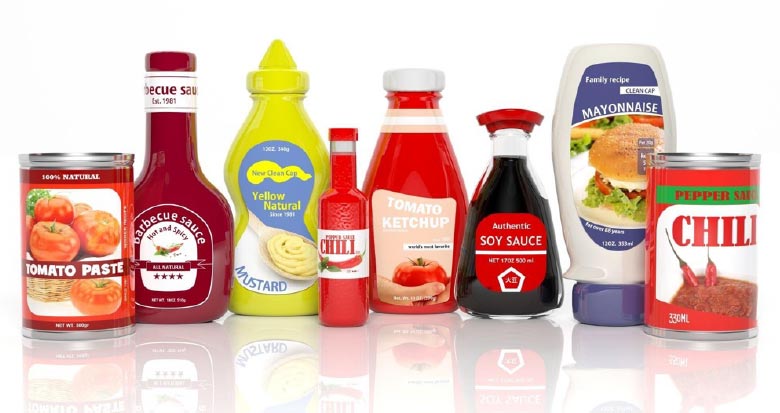
CMC improves sauce texture, prevents separation and provides a stable mouthfeel. Its main advantages include thickening ability, water retention, storage stability and formulation compatibility.
Q2: How Does CMC Improve Sauce Texture?
CMC absorbs and binds water to build viscosity and improve consistency. It helps sauces achieve a smooth texture and reduces syneresis during storage.

Q3: What Should Be Considered for Acidic Sauces?
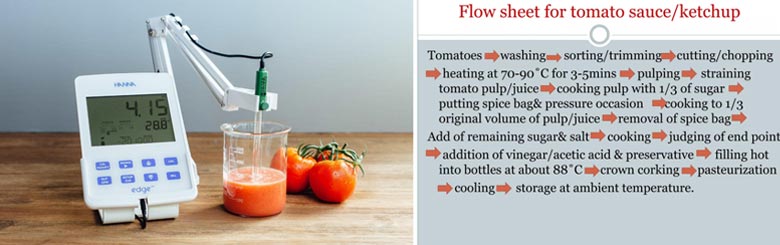
Many sauces such as tomato sauce and salsa have acidic conditions. CMC with suitable chemical stability should be selected to maintain viscosity and performance.
Q4: Why Is Salt Tolerance Important?
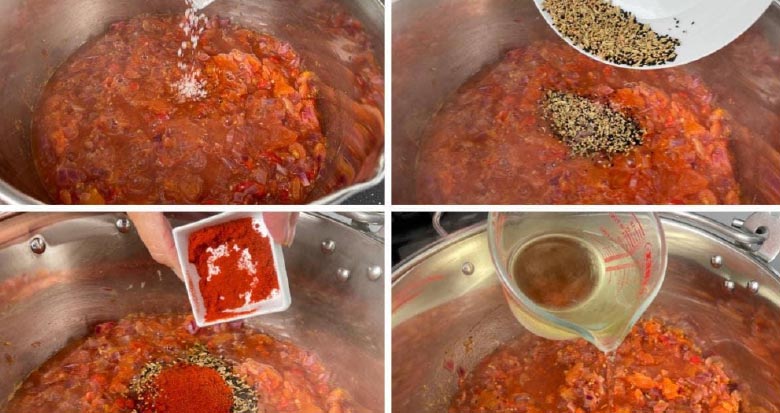
Salt can influence CMC hydration and viscosity development. For salty sauces, the selected CMC should have suitable salt tolerance to maintain stable texture.
Q5: Which Factors Should Be Considered When Selecting CMC?
The main factors include viscosity, degree of substitution (DS), purity, acid resistance, salt tolerance and the final texture requirement of the sauce.

Q6: What CMC Specifications Are Recommended for Food Sauce Applications?
Common recommended specification:
Food grade CMC, viscosity 500-3000 mPa·s, D.S 0.7-1.0.
It provides good thickening, suspension stability and smooth texture. The final grade should be confirmed according to processing conditions.
Conclusion
CMC is an important functional ingredient in food sauce production. By selecting the correct viscosity, D.S and stability characteristics, manufacturers can improve sauce quality, consistency and shelf-life performance.
SINOCMC Team