
Application of CMC in the Production of Crosslinked Sodium Carboxymethyl Cellulose
Crosslinked Sodium Carboxymethyl Cellulose (Crosslinked CMC) has gained increasing attention in industries such as pharmaceuticals, food processing, and daily chemicals due to its superior water absorption, stability, and gel-forming properties. As a functional derivative of cellulose, CMC plays a critical role in enabling the crosslinking process and enhancing the final product’s performance.
Q1: What is Crosslinked Sodium Carboxymethyl Cellulose?
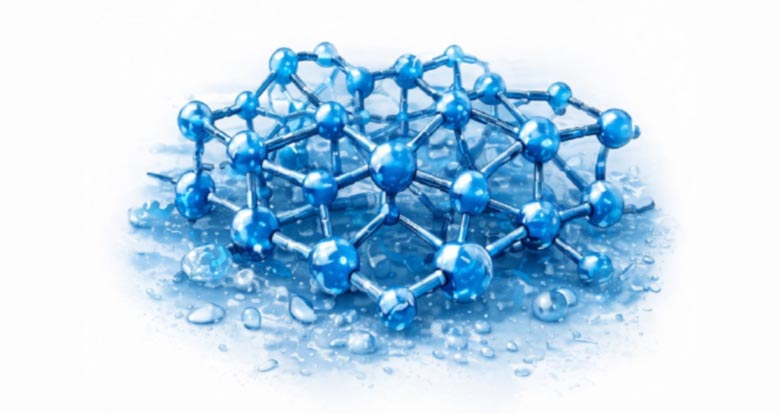
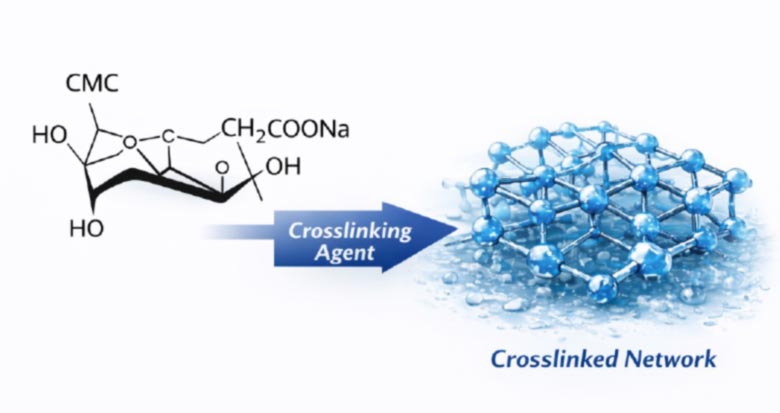
Crosslinked Sodium Carboxymethyl Cellulose is a modified form of CMC where polymer chains are chemically bonded to form a three-dimensional network. This structure significantly improves its water retention, swelling capacity, and resistance to dissolution, making it ideal for applications like superabsorbents and controlled-release systems.
Q2: Why is CMC Suitable for Crosslinking?
CMC is particularly suitable for crosslinking due to its abundant hydroxyl (-OH) and carboxymethyl (-CH₂COONa) functional groups. These reactive sites allow crosslinking agents to form bridges between polymer chains, resulting in enhanced structural integrity and functionality. Additionally, its water solubility ensures easy processing before crosslinking.
Q3: What Are the Key Applications of Crosslinked CMC?
Crosslinked CMC is widely used across various industries:
- Pharmaceuticals: as a disintegrant and controlled drug release agent
- Hygiene Products: in diapers and sanitary products due to high absorbency
- Food Industry: as a stabilizer and thickener with improved stability
- Agriculture: for water retention in soil conditioners

Q4: What CMC Specifications Are Recommended for Crosslinking?
For optimal crosslinking performance, selecting the right CMC grade is essential. Recommended specifications include:
Degree of Substitution (DS): 0.7–1.2
Viscosity: Medium to high (2000-6000 mPa·s)
Purity: ≥ 99.5% for sensitive applications
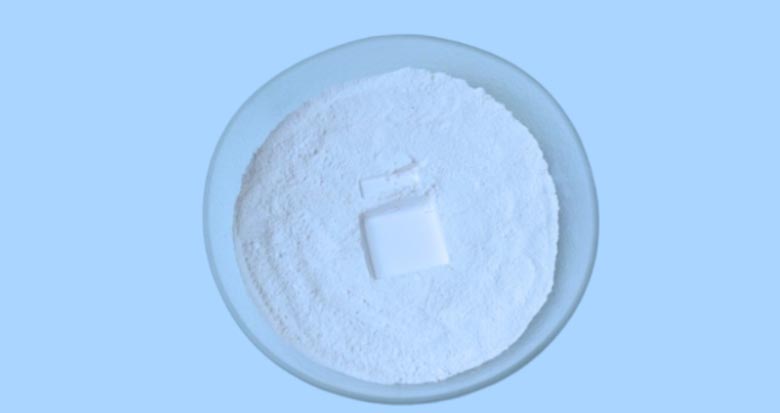
Particle Size: Fine powder for uniform reaction
Conclusion
CMC serves as a versatile and essential raw material in the production of crosslinked Sodium Carboxymethyl Cellulose. Its chemical structure, reactivity, and adaptability make it ideal for developing high-performance materials across multiple industries. By selecting the appropriate specifications, manufacturers can fully leverage the benefits of crosslinked CMC to meet diverse application needs.
SINOCMC Team