
The papermaking industry is undergoing a significant transformation, driven by the demand for higher quality, better printability, and eco-friendly production processes. At the heart of this evolution is Sodium Carboxymethyl Cellulose (CMC)—a versatile, water-soluble polymer that has become an indispensable additive in modern paper mills. From enhancing surface strength to improving coating consistency, CMC is the “secret ingredient” that ensures the paper you use every day is durable and smooth.

1. Core Functions of CMC in Paper Production
Sodium CMC acts as a multi-functional agent throughout various stages of the papermaking process. Its unique chemical structure allows it to perform several critical tasks:
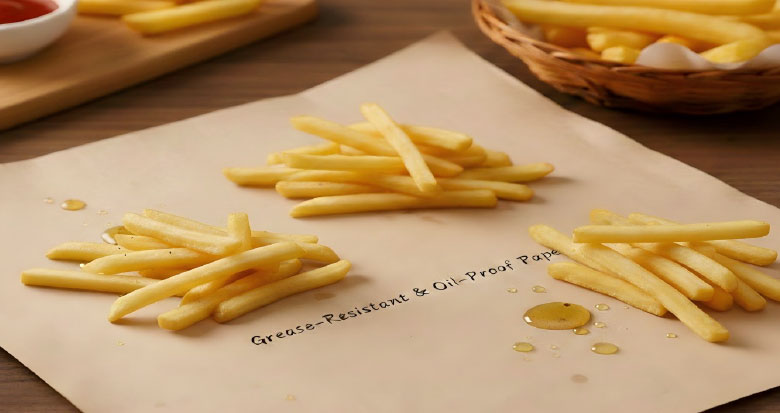
- Surface Sizing Agent: When applied to the paper surface, CMC forms a strong, flexible film. This improves surface strength, reduces dusting, and enhances the paper’s resistance to wax and oil.
- Coating Binder & Lubricant: In coated paper production, CMC controls the rheology (flow) of the coating color. It ensures even distribution of pigments and prevents the coating from “bleeding” into the paper base.
- Internal Additive (Wet End): Added during the pulping stage, CMC improves the retention of fibers and fillers. This leads to better formation and increased dry strength of the final sheet.
- Water Retention Value (WRV): CMC helps the paper coating maintain moisture, preventing the water from being absorbed too quickly by the base paper.
2. Key Advantages for Manufacturers
Integrating paper-grade CMC into production offers several competitive edges:
- Enhanced Printability: By creating a smoother surface with uniform ink absorption, CMC ensures sharper images and vibrant colors.
- Increased Production Speed: Its excellent rheological properties allow paper machines to run at higher speeds without compromising quality.
- Cost Efficiency: By improving the retention of expensive fillers and pigments, CMC helps manufacturers reduce raw material waste.
- Environmental Sustainability: As a derivative of natural cellulose, CMC is biodegradable and non-toxic, aligning with “Green Papermaking” initiatives.
3. Typical Specifications of Paper Making Grade CMC
The specification of Paper-Making Grade CMC can vary according to different applications. Below are some typical parameters.
| Application | Suggested Viscosity Range | Key Focus |
| Wet End Addition | 100 – 200 mPa·s | Fiber retention & Dry strength |
| Surface Sizing | 300 – 600 mPa·s | Film formation & Oil resistance |
| Paper Coating | 600 – 1200 mPa·s | Water retention & Rheology |
| Specialty Paper | 1200 – 2500 mPa·s | High transparency & Smoothness |
Conclusion
As paper products evolve—from lightweight packaging to high-gloss art paper—the role of Sodium CMC continues to expand. It is no longer just an additive; it is a critical component for quality control and process efficiency. For manufacturers looking to balance performance with sustainability, CMC remains the gold standard in chemical additives.
If you have any demands for Paper-Making Grade CMC, please feel free to contact us.
SINOCMC Team