
Granular Sodium CMC Supplier: Grade Selection and Sample Enquiry
SINOCMC supplies granular sodium carboxymethyl cellulose (CMC) for industrial application evaluation. Buyers considering a granular form should match the grade to their viscosity requirement, addition method and finished process before commercial approval.
To discuss a candidate grade, send your application and sample requirements to SINOCMC. This article explains what to include in the enquiry and how to compare the sample with your current CMC.
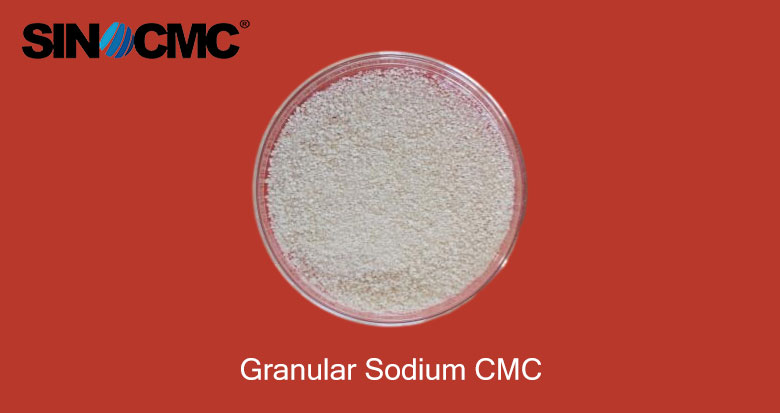
Why consider granular sodium CMC?
A granular form can be considered when direct charging, particle dispersion or dust during handling is a process concern. The benefit depends on the actual grade and mixing conditions. Granular appearance alone does not guarantee a particular hydration time or eliminate the need for controlled addition.
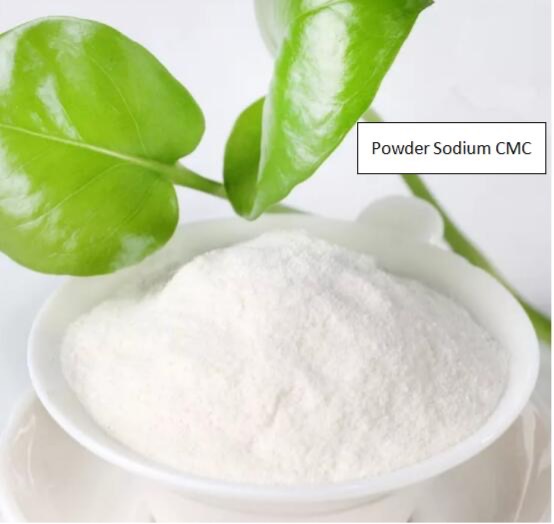
Distinguish the time needed to distribute particles from the time needed to develop the agreed viscosity. For a structured comparison, read powder CMC versus granular CMC and the CMC dissolution guide.
Match the grade to the application
Different industrial processes need different specifications. Start with the application requirement and then evaluate whether a granular form suits the charging process.
- Mining: share the mineral process, intended CMC function and solution preparation conditions.
- Ceramics: share the glaze or body system and the required binding, suspension or flow behavior.
- Paper making: identify the coating or sizing process and the preparation conditions.
These application links provide starting product information. Confirm the suitability and availability of a particular granular grade with the supplier rather than assuming that every listed application uses the same product.
Information to include in a granular CMC enquiry
- Application: the process and the performance you need from CMC.
- Current grade: its specification and any handling or preparation problem you want to resolve.
- Viscosity: target range, solution concentration, temperature and test method.
- Physical form: the particle size or sieve requirement, if defined.
- Preparation: water quality, addition sequence, mixing equipment, batch size and available hydration time.
- Purchase requirements: sample quantity, intended order quantity, packaging preference and destination.
- Documents: product specification, SDS or MSDS and batch COA requirements.
How to compare a replacement grade
Keep the dosage, water, temperature, mixer and preparation procedure consistent. Compare dispersion, residual lumps, viscosity development and performance in the intended application. Record your acceptance criteria before choosing the commercial grade.
Trade names from other suppliers can help identify a reference product, but they do not establish equivalent quality. Compare the written specifications, measurement conditions and sample results before approving a replacement.
For purchasing checks, use the sodium CMC acceptance checklist. Evaluate total process cost alongside the quoted product price.
Request specifications and a sample
Contact SINOCMC for a granular sodium CMC enquiry. Include the information above so the team can discuss candidate grades, available documents and an appropriate sample comparison.
SINOCMC Team