
CMC Moisture Damage: A Receiving and Storage Investigation Guide
Moisture risk in a CMC shipment is not always obvious. A dry outer bag can hide a damaged inner liner, while a stained paper surface does not by itself prove that the powder is unusable. The safest response is a controlled receiving investigation: document the condition, separate affected units, compare evidence with the approved specification and test methods, and authorize disposition through the buyer’s quality system.
This guide is for distributors, importers and end-user factories receiving bagged sodium carboxymethyl cellulose. It focuses on CMC moisture damage at receipt and during warehouse holding. It does not replace the supplier’s product-specific storage instructions, the buyer’s sampling plan, insurance requirements or local food/chemical rules.
Quick answer: if there are wet surfaces, torn bags, soft or caked contents, damaged liners, condensation, unusual odour or unexplained weight differences, do not release the affected units on appearance alone. Photograph and map the evidence, quarantine the relevant quantity, preserve labels and seals, notify the responsible parties, and test against the approved specification using controlled methods before deciding whether to accept, reject, rework or investigate further.
1. Separate evidence from conclusions
CMC is commonly supplied as a dry powder or granule in a protective package. Moisture can affect handling, dispersion and measured properties, but the meaning of a visual sign depends on where the water reached, how long the condition existed, the package construction and the approved product limits. Receiving staff should record what they can observe without jumping directly from “stain” to “failed lot” or from “looks dry” to “safe to release.”
Useful evidence may include:
- water or condensation on the container roof, walls, doors, floor or cargo covering;
- wet, softened, torn, punctured or delaminated outer bags;
- a breached, poorly closed or visibly wet inner liner;
- clumping, hardening, discoloration, unusual odour or powder adhering to the liner;
- unstable pallets, compressed lower tiers or stretch film that has trapped visible moisture;
- missing, blurred or inconsistent lot identification; and
- differences between received weight, package count and shipping records.
None of these observations should be hidden by immediately moving product into clean bags. Preserve the condition long enough to establish traceability and decide whether additional sampling is justified.
2. Define the acceptance plan before the shipment arrives
A receiving team cannot make a consistent decision if the acceptance rules are invented at the dock. Before arrival, assemble the purchase order, approved product specification, packaging specification, supplier storage instructions, lot list, certificate requirements and the buyer’s sampling and nonconformance procedures.
The plan should identify:
- which lots, pallet positions and package types are expected;
- which visual conditions require quarantine or escalation;
- who may open packages and collect samples;
- which laboratory methods and acceptance limits apply;
- who can release, reject or authorize a controlled rework; and
- which carrier, insurer, supplier or internal notification deadlines apply.
Do not copy a universal warehouse temperature, relative-humidity value or shelf life from a generic article. Use the conditions stated for the approved grade and packaging, then define how excursions will be assessed. The existing SINOCMC guides on storing sodium CMC and CMC packaging, transport and storage provide general context; the current supplier documentation and buyer specification must control the actual release decision.
3. Inspect the transport unit before unloading
Record the arrival time, vehicle or container identification, seal number and seal condition before opening when those records apply. Photograph the doors and threshold, then open safely and pause to look for shifted cargo, unusual odours, condensation, wet floors, roof staining, light penetration, damaged dunnage or visible package collapse.
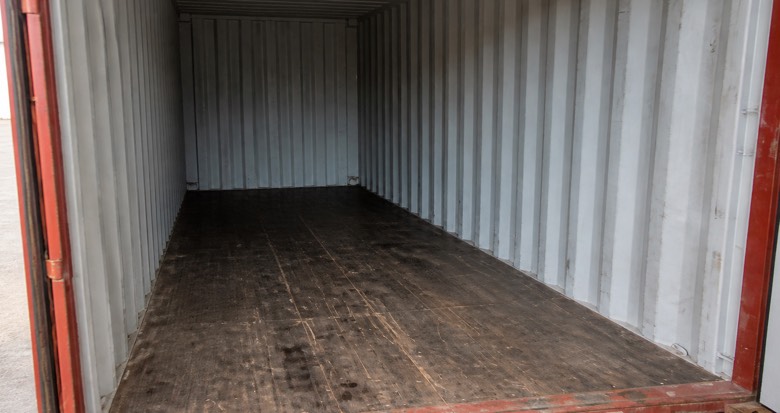
The IMO/ILO/UNECE CTU Code explains that condensation damage can result from humidity inside a cargo transport unit and that moisture can come from cargo, timber, pallets, packaging or loading in wet/high-humidity conditions. It also advises against combining moisture-sensitive cargo with wet or leaking cargo and says drying-agent capacity should be calculated rather than guessed.
Those principles support a route-specific prevention plan, but they do not prove what happened to a particular lot. The receiving record should show the actual evidence and location. A single photograph of a dry door area is not evidence that every pallet and lower bag tier remained dry.
4. Map the condition by pallet, tier and package
As unloading proceeds, assign locations to the evidence. A simple map can identify container position, pallet number, bag tier and lot number. Pay special attention to the door end, roof-adjacent stacks, sidewalls, floor-contact areas and lower tiers where water or compression may accumulate.
For each affected or suspect unit, record:
- lot/batch and package identification;
- pallet position and bag tier;
- outer-bag and inner-liner condition;
- type and approximate extent of stain, tear, softness or caking;
- whether adjacent units show the same pattern;
- photographs with a scale or reference where useful; and
- the name, date and time of the person making the observation.
Inspect without creating more damage. Do not drag bags across wet or rough surfaces, pierce an intact liner simply to “check,” or leave opened product exposed while the team decides what to do. If food-grade material is involved, the receiving and sampling area must also fit the site’s hygiene controls.
5. Use a risk-based quarantine matrix
| Observed condition | Immediate action | Typical next question |
|---|---|---|
| No water evidence; packages intact; count and identification match | Continue normal receiving controls | Do routine sampling and documentation meet the approved plan? |
| Outer wrap or pallet protection damaged, but individual bags and liners appear intact | Segregate the affected pallet pending documented inspection | Is the primary product barrier intact and was there any moisture pathway? |
| Outer bag wet/soft, stain penetrates seams, or inner-liner condition is uncertain | Quarantine affected and adjacent units; escalate to quality | How far could exposure extend, and what sampling plan can test that hypothesis? |
| Inner liner breached/wet, product visibly caked/discoloured, odour or contamination evidence present | Do not release; preserve evidence and open a formal nonconformance investigation | Is rejection required, or can any disposition be scientifically and procedurally justified? |
The matrix is a decision aid, not a universal acceptance standard. A food-additive buyer, industrial user and distributor may have different regulatory duties and risk tolerances. Apply the stricter applicable contract, specification, quality procedure and destination requirement.
6. Quarantine first; do not blend away the evidence
Quarantine means more than placing a handwritten note on one bag. Physically or electronically block the identified quantity from use, transfer and sale. Preserve lot identity, pallet mapping, packaging, photographs, receiving documents and any samples. Where practical, keep clearly unaffected units separate from suspect units without implying that the unaffected group is released.
Do not blend suspect powder into a conforming lot, dry it informally, relabel it or replace damaged bags before quality authorization. Those actions can destroy the evidence, spread contamination or make traceability unreliable. If controlled repacking or rework is considered, it needs an approved procedure, suitable environment, defined acceptance tests and documented authorization.
Notify the supplier with facts rather than conclusions: purchase order, lot, package count, container or shipment reference, arrival condition, photographs, affected positions and the buyer’s proposed investigation. Carrier and insurer notice rules can have short contractual deadlines, so the receiving team should route the record promptly without making unsupported liability claims.
7. Build a test plan around the suspected failure mode
Testing should answer a defined question. A single convenient sample from the top of one bag cannot represent an entire container or distinguish localized water entry from a lot-wide condition. Use the buyer’s approved sampling procedure and trained personnel to select samples by lot and mapped risk area.
Depending on the product specification and evidence, the investigation may consider:
- moisture or loss-on-drying using the specified method;
- appearance, colour, odour and foreign-material checks;
- controlled solution preparation and viscosity testing;
- dispersion, dissolution or application-relevant performance checks;
- package integrity and net-weight review; and
- microbiological or other safety testing when justified for food-grade material by the hazard analysis and applicable controls.
Use the same preparation conditions, concentration basis, temperature, instrument and endpoint required by the approved method. The SINOCMC viscosity comparison guide explains why changing solution concentration or test conditions can create a false difference. The food-grade CMC COA guide also shows why an actual batch result must be read together with its method and limit.
A passing result from one test does not automatically clear every possible concern. Quality should document the scope of evidence, uncertainty, affected quantity and rationale for the final disposition.
8. Control moisture risk after release
Once released, store CMC under the product-specific conditions agreed with the supplier and buyer. Keep packages protected from roof/wall leaks, wash water, open doors, wet floors, direct weather and incompatible or odorous materials. Maintain package identification and stock rotation, and keep units on suitable pallets or storage systems rather than directly on the floor.
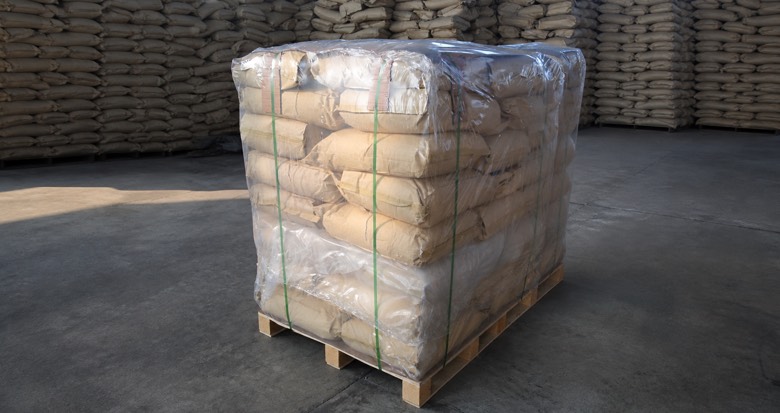
For opened bags, follow the supplier’s closing instructions and the site’s hygiene/traceability procedure. Record the opening date, remaining quantity and status; protect the liner from damage; and avoid returning potentially contaminated material to the original bag. “Resealed” should not be interpreted as equivalent to the unopened original package unless the approved procedure says so.
Trend warehouse observations rather than collecting humidity values with no action rule. The useful system defines where instruments are located, how they are checked, what range is approved for the stored grade, who reviews excursions and how roof leaks, door exposure or wet pallets are escalated.
9. Do not treat liners, stretch film or desiccants as guarantees
A package is a system: inner liner, outer bag, closure, pallet, covering, dunnage, container and route all matter. Stretch film may stabilize a load but can also conceal wet surfaces or trap moisture if the overall packing condition is poor. Desiccants have finite capacity and should be selected and placed for the transport scenario; adding an arbitrary number does not correct wet cargo, wet timber, a leaking container or loading during rain.
Confirm the physical package during the custom CMC packaging approval process, and include moisture exposure in the small-batch versus full-container planning decision. Larger quantities increase the number of units and storage time exposed to a weak receiving or warehouse control.
10. Keep a decision-ready investigation record
A concise record helps the buyer, supplier and laboratory discuss the same event:
- purchase order, product, grade, lot and package configuration;
- shipment/container/vehicle and seal references where applicable;
- arrival time, weather and unloading conditions;
- container and cargo-condition photographs;
- pallet/bag map and affected quantity;
- quarantine status and controls;
- sampling plan, chain of custody, methods and results;
- supplier/carrier notifications and responses; and
- approved disposition, rationale and preventive action.
For food-grade operations, this record supports a broader hygiene system. The Codex General Principles of Food Hygiene (CXC 1-1969) provides the international foundation for good hygiene practices and HACCP. In the United States, 21 CFR 117.93 requires food warehousing and transportation to protect against allergen cross-contact, biological, chemical and physical contamination, and deterioration of food and containers. Buyers should determine which rules apply to their own operation and market.
Frequently asked questions
Does a stained outer CMC bag always mean the product must be rejected?
No. A stain is evidence that requires inspection, traceability and a documented decision; it does not show by itself whether the inner barrier or product was affected. Quarantine the relevant units and assess them under the approved procedure.
Can CMC with small lumps still be used?
Do not decide from lump size alone. Caking may reflect moisture, compression, storage time or another cause, and it can affect handling or dispersion. Compare the condition and controlled test results with the specification and application requirements before disposition.
Should every bag in a damp shipment be sampled?
There is no universal answer. The sampling plan should reflect lot structure, mapped exposure, packaging condition, risk and applicable quality procedures. A qualified person should justify the number and location of samples.
Will a desiccant prevent container rain?
Not automatically. Condensation risk depends on moisture sources, packing materials, route and temperature changes. The CTU Code recommends controlling wet sources and calculating drying-agent capacity when desiccants are used.
Can a damaged outer bag simply be replaced?
Only under an approved disposition. First confirm traceability and inner-liner/product condition. Repacking food-grade or industrial material can introduce contamination and labelling risks if it is done in an uncontrolled area.
What information should a buyer send when reporting suspected moisture damage?
Send the product and lot, order/shipment references, package count, mapped locations, arrival condition, photographs, quarantine status and proposed sampling/testing plan. Avoid stating a cause or liability before the investigation supports it.
Prepare the receiving plan before the next order
Moisture-risk control works best when packaging, transport, receipt, testing and warehouse responsibilities are agreed before dispatch. A clear plan protects the evidence, shortens investigations and prevents suspect material from entering production.
To discuss a shipment-specific checklist, contact SINOCMC with the CMC grade, application, destination, packaging, transport mode, expected storage period and buyer acceptance requirements. Final packaging, storage conditions, sampling, testing and disposition must be confirmed for the specific order and applicable quality system.