
CMC (Sodium Carboxymethyl Cellulose) is a linear, ionic polymeric cellulose ether that can absorb water and swell. When dissolved in water, it forms a transparent, viscous gel, and exhibits neutral pH. CMC is widely used as the main binder for negative electrode materials in aqueous battery systems by battery manufacturers both domestically and internationally. Using an optimal amount of binder can result in higher battery capacity, longer cycle life, and lower internal resistance.
1. The Binding Effect of CMC in Lithium-ion Batteries
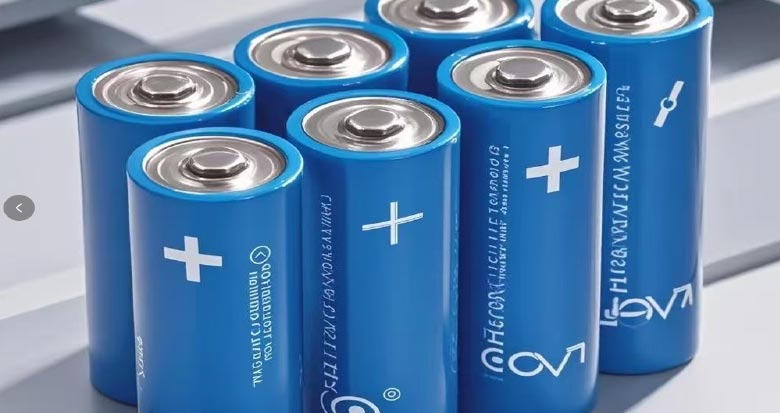
Under the binding effect of CMC, active materials and conductive agents can form electrodes with good mechanical strength and electrical properties. This stable electrode structure can withstand volume changes and stress during battery charging and discharging, maintaining stable battery performance. For example, in the cathode of lithium-ion batteries, CMC works synergistically with other binders to ensure the stability and conductivity of the cathode material. In the anode, CMC effectively binds anode materials such as graphite, preventing structural damage during cycling.
2. The Dispersing Effect of CMC in Lithium Batteries
During the preparation of battery slurries, CMC enables the uniform dispersion of anode materials, avoiding localized areas of excessively high or low concentration. This helps improve electrode utilization and charge-discharge performance, while reducing polarization within the battery. Taking silicon-based anode materials as an example, due to their high specific capacity and significant volume expansion, they are prone to aggregation in the slurry. The addition of CMC can effectively disperse the silicon particles, reduce aggregation, and improve the cycling stability of the battery.
3. The Stabilizing Effect of CMC in Lithium-ion Batteries
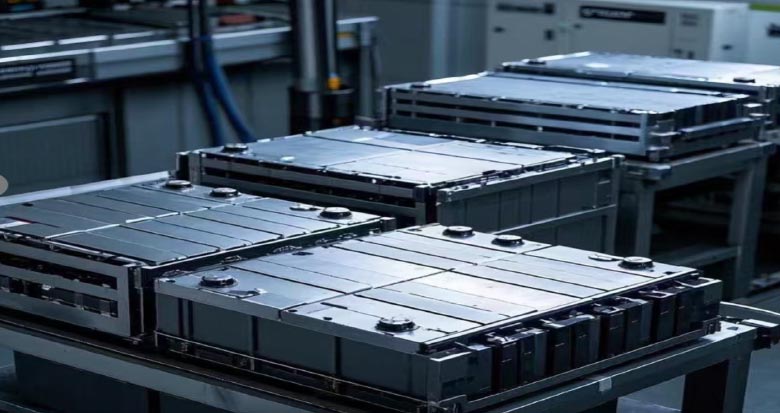
The stabilizing effect of CMC on electrode processing performance is reflected in several aspects. It can adjust the rheological properties of the slurry, making it more suitable for coating processes; at the same time, during the charging and discharging process of the battery, CMC helps maintain the structural integrity of the electrode, reduces the occurrence of side reactions, and thus improves the cycling performance of the battery.
3. Conclusion
Battery-grade CMC plays a crucial role in battery manufacturing. Its functions as a binder, dispersant, and stabilizer, along with its advantages such as high purity, good compatibility, thickening and anti-settling properties, and improved peel strength, effectively ensure the performance and stability of lithium batteries. If you have any demands for Battery-Grade CMC, please feel free to contact SINOCMC.
SINOCMC Team