
Application of Sodium Carboxymethyl Cellulose (CMC) in Activated Carbon Granulation
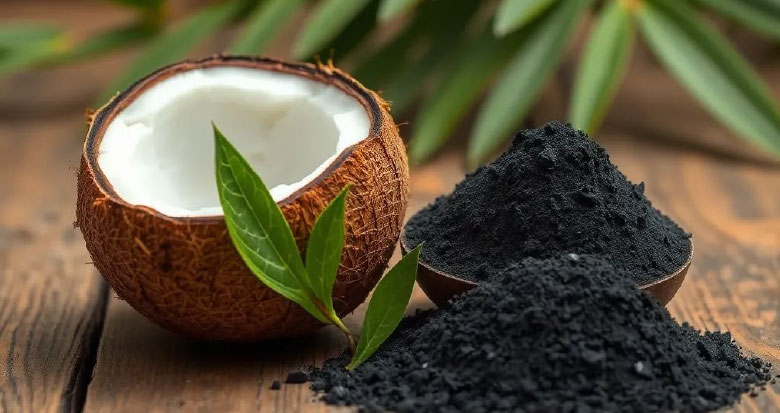
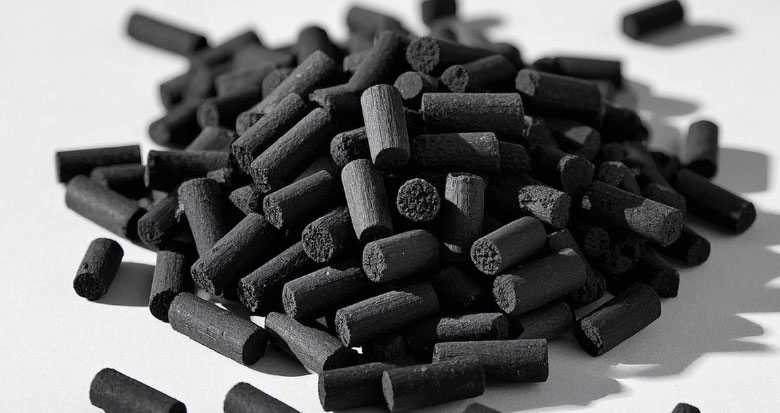
Activated carbon is a versatile, porous, irregularly structured material made primarily from carbon. There are different forms of activated carbon: powdered, granular and pelletized. Granulation is a critical procedure in activated carbon production, and the selection of binders directly determines pellet strength, forming rate and final adsorption performance. Sodium Carboxymethyl Cellulose (CMC) has gradually replaced traditional pitch and tar, becoming an ideal choice for activated carbon granulation because it is water-soluble, high-performance and eco-friendly binder.
1. Core Roles of CMC in Activated Carbon Granulation
① Strong Bonding Performance
CMC has excellent bonding and film-forming properties. During granulation, it can fully wrap activated carbon powder, greatly enhancing the strength of wet green bodies and the hardness of dried pellets. It effectively boost compressive strength and wear strength so as to lower breakage rate during transportation and reduce dust pollution. Meanwhile, its water retention capacity slows down water evaporation, avoids surface cracking of pellets, and guarantees smooth finished products.
② High Adsorption Capacity
Unlike traditional organic binders, CMC is an organic polymer that can easily decompose and volatilize during high-temperature carbonization and activation with extremely low ash residue. It will not block the micropores of activated carbon, thus maximizing the retention of specific surface area and adsorption capacity. This makes it an ideal binder for high-quality activated carbon.
③ Environmental Friendliness and Safety
CMC is non-toxic, odorless and bio-degradable, complying with food-grade and drinking water treatment standards. Activated carbon made with CMC binder is widely used in fields with strict safety requirements, such as drinking water purification, food decolorization and pharmaceutical purification.
2. Advantages to Traditional Binders
Compared with traditional binders like coal tar pitch or lignosulfonate, CMC is odorless, bio-degradable, and sulfur-free. Its strong binding performance also requires lower dosage than other binders. The application of CMC not only optimizes the physical properties of activated carbon, but also conforms to the trend of green manufacturing, increasing product added value.
3. Recommended Specifications of CMC for Activated Carbon Granulation
Medium viscosity (300-800 cps for 1% aqueous solution) high-purity (min 95% or 99.5% for high-grade product) CMC is recommended. The general dosage is controlled at 1% to 3% of the total powder weight.
If you are interested in CMC used for activated carbon, please feel free to reach out to us.
SINOCMC TEAM