
Application of CMC in the Textile Industry
Sodium Carboxymethyl Cellulose (CMC) is widely used in the textile industry due to its excellent thickening, film-forming, water retention, and stabilization properties. It plays an important role in textile printing, dyeing, sizing, and finishing processes, helping improve production efficiency and fabric quality while reducing environmental impact.
Q1: Why is CMC Widely Used in the Textile Industry?
A1: CMC is highly valued in textile applications because of its excellent water solubility, viscosity control, and compatibility with various textile chemicals. It helps improve process stability and enhances the overall quality of textile products.
Key advantages include:
- Excellent thickening performance
- Good water retention
- Stable viscosity during processing
- Eco-friendly and biodegradable
- Easy removal during washing


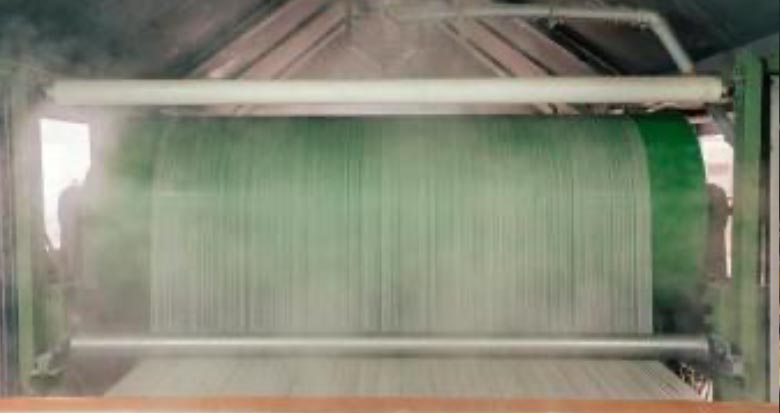
Q2: How Does CMC Function in Textile Printing?
A2: In textile printing, CMC mainly works as a thickener for printing paste. It helps control the flowability of dyes and pigments, ensuring clear printing patterns and uniform color distribution.
Benefits of using CMC in textile printing:
- Improves printing sharpness
- Prevents color bleeding
- Enhances color uniformity
- Provides smooth printing performance
- Reduces dye consumption
CMC is especially suitable for reactive dye printing and pigment printing systems.

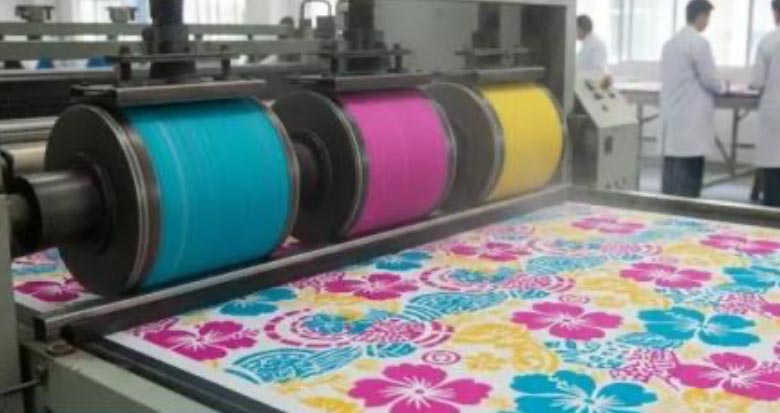
Q3: What Role Does CMC Play in Textile Sizing?
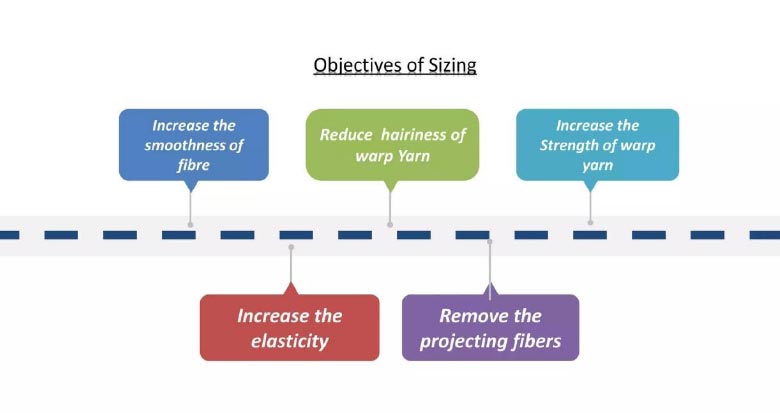
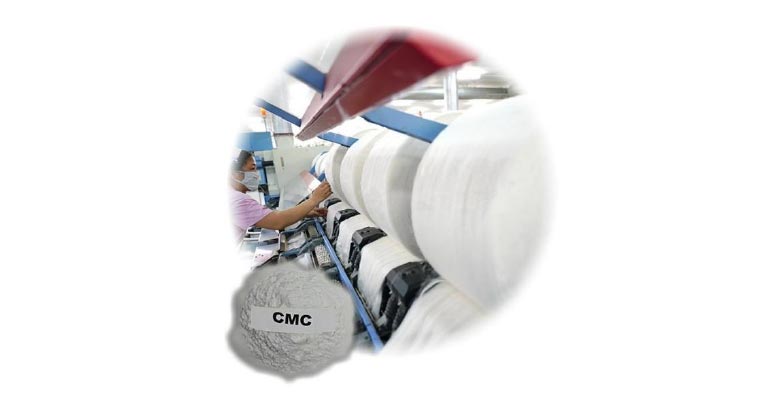
A3: CMC is commonly used as a sizing agent in warp yarn preparation. It forms a protective film on yarn surfaces, improving yarn strength and abrasion resistance during weaving.
Main functions include:
- Increasing yarn strength
- Reducing yarn breakage
- Improving weaving efficiency
- Enhancing flexibility of yarn
- Providing smooth surface lubrication
Compared with traditional starch-based sizing materials, CMC offers better stability and easier desizing performance.
Q4: Can CMC Be Used in Textile Dyeing and Finishing?
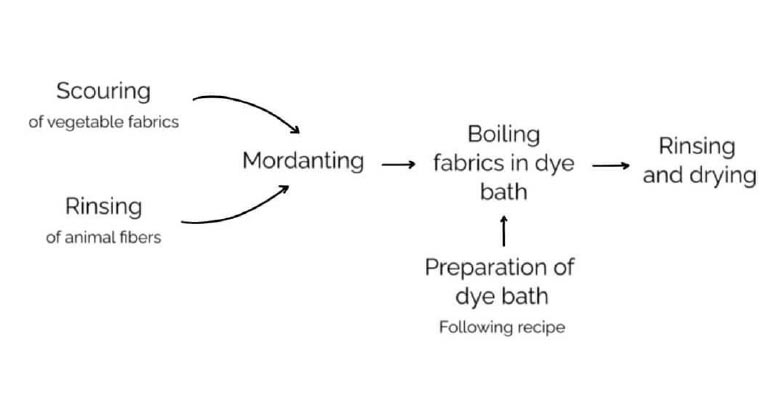
A4: Yes. In textile dyeing and finishing, CMC can function as a dispersing agent, stabilizer, and auxiliary additive. It helps improve dye penetration and ensures more even coloration.
Advantages in dyeing and finishing include:
- Better dye dispersion
- Improved fabric softness
- Enhanced color consistency
- Reduced sedimentation
- Improved processing stability
CMC also contributes to environmentally friendly textile production because of its biodegradable characteristics.
Q5: What CMC Specifications Are Recommended for Textile Applications?
A5: Selecting the proper CMC grade is important for achieving stable textile processing performance. Different textile applications may require different viscosity and purity levels.
Common recommended specifications for textile-grade CMC:
| Application | Recommended Viscosity | Recommended D.S | Main Features / Advantages |
| Textile Printing | 3000–10000 mPa·s | 0.7–1.0 | Good pseudoplasticity, stable viscosity, excellent printing performance |
| Textile Sizing | 500–3000 mPa·s | 0.6–0.9 | Good film-forming performance, excellent adhesion properties |
| Dyeing & Finishing | Medium viscosity grades | 0.7–1.0 | High purity, good compatibility with dyes and auxiliaries |
Conclusion
CMC has become an essential auxiliary material in the textile industry due to its multifunctional performance in printing, sizing, dyeing, and finishing applications. Its excellent thickening ability, stability, and eco-friendly characteristics make it a reliable solution for modern textile production. By selecting suitable CMC specifications, textile manufacturers can improve production efficiency, fabric quality, and overall processing stability.
SINOCMC Team